Civil-military coordinationPreparedness + resilienceApplied AI + behavior change

Lei Wu

I work where civil-military coordination, disaster preparedness, artificial intelligence, and human behavior meet. My focus is practical: help people coordinate before a crisis, make better use of technology, and turn good intentions into action that communities can sustain.

  • MS · Data Analytics Engineering
  • MBA
  • PMP
  • Mandarin Chinese
People · Ideas · Systems

Preparedness, made actionable.

Scroll to explore
01 / 07

Selected work

Selected work

Field notes

Real problems. Practical progress.

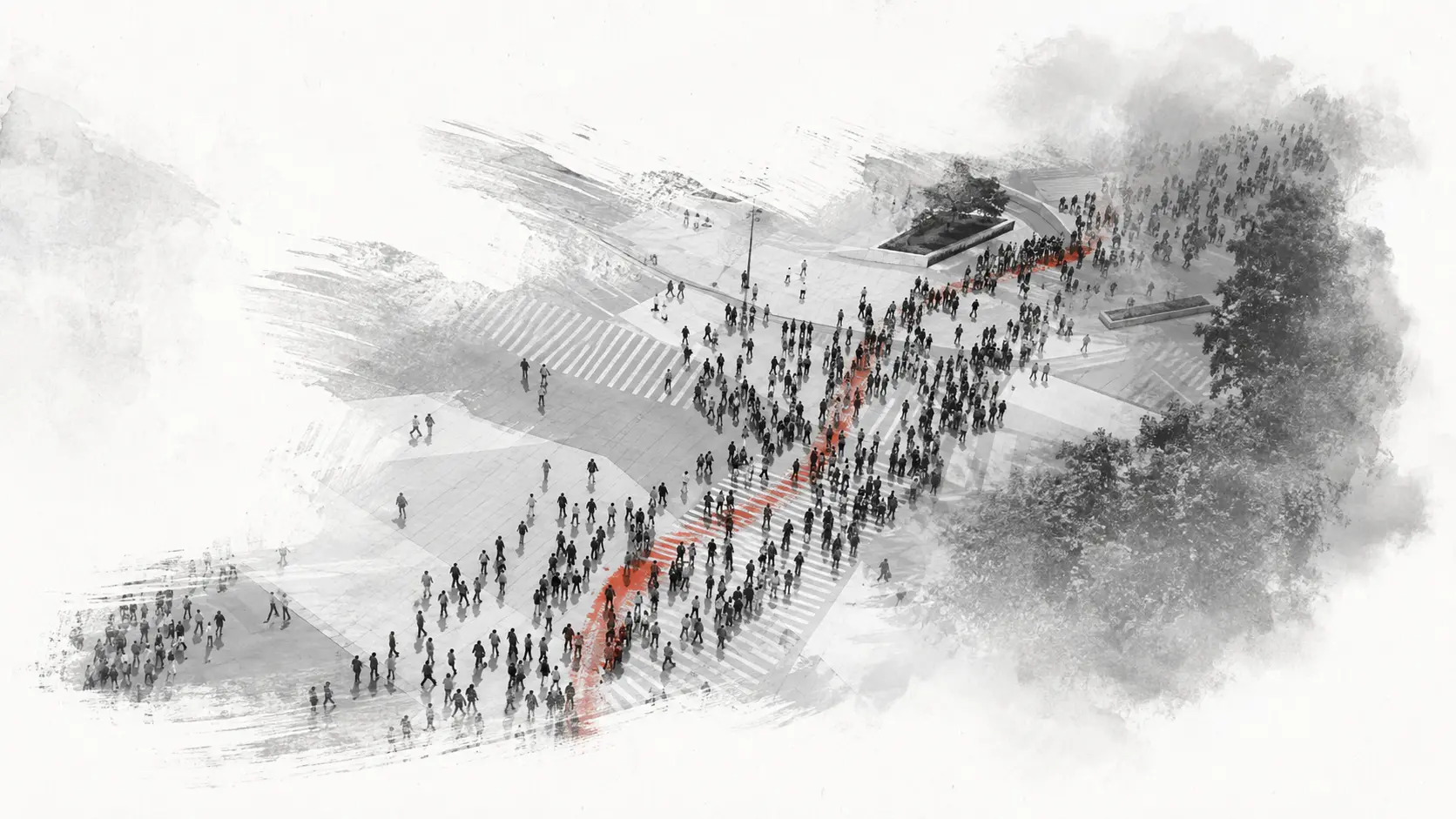
An abstract monochrome view of collective movement through a city01

Civil-military interoperability

Building interoperability before crisis

annual training cycle

National coordination means little if teams cannot work together on the ground. This program gave civilian responders and military organizations shared procedures, practical training, and a way to keep improving together.

A preparedness tote stored beside ordinary family belongings in a lived-in apartment entryway02

Public resilience + behavior change

Turning public reach into preparedness

20M+ campaign views

The campaign started with a simple truth: people already want to protect those they care about. Research, relevant storytelling, and practical next steps helped turn that instinct into measurable intent to prepare.

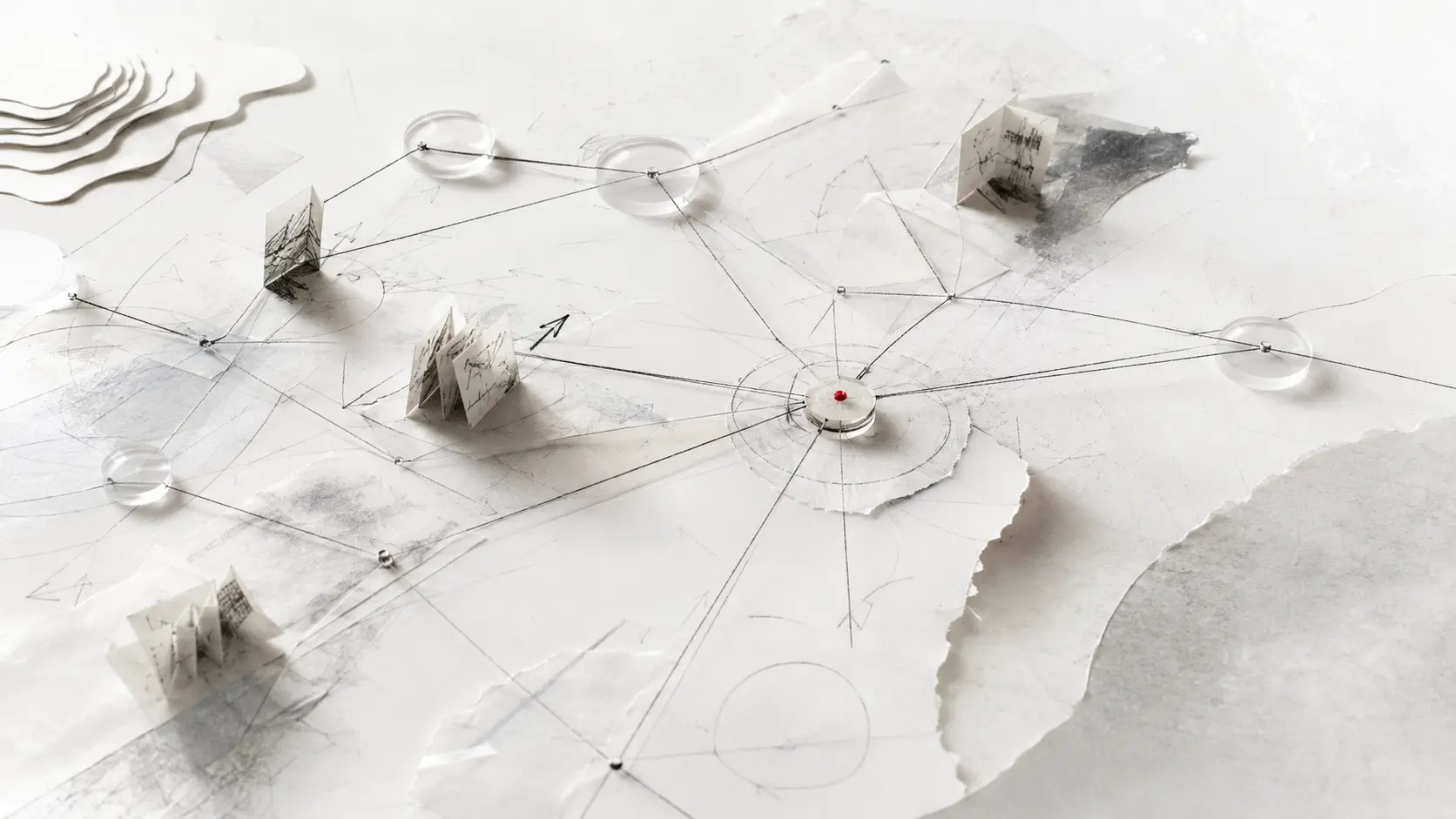
A tactile network of connected analytic paths and decision points03

Human-guided AI + public preparedness

AI designed around human judgment

LIVE fire learning app deployed

A case-based fire preparedness app uses real incidents, guided questions, and trusted knowledge to help people practice safer judgment—not hand judgment over to AI.

A dramatic coastal ridge suggesting connection across regions04

Regional partnerships

Alignment turned into funded action

ACTIVE resourced operation

A promising regional idea became an approved, resourced operation by grounding national priorities in local insight and a partner's own interests.

Next chapterThe problem behind the work
02 / 07

The problem

The problem I solve

Make strategy survive reality.

Complex strategies rarely fail for lack of ideas. They fail in the handoff from plan to practice—across competing interests, local context, human behavior, technology, and institutional limits. That handoff is where I work.

Where strategy breaksPlanReality
Next chapterHow the process works
03 / 07

The method

How I work

From ambiguity to action.

A repeatable way to make sense of complex conditions and build work that people can understand, support, and carry out.

  1. 01

    Frame

    The real problem

    Separate the outcome that matters from inherited requirements, assumptions, and symptoms. Define success in terms that hold up in the real operating environment.

    Clarity
  2. 02

    Understand

    The system

    Talk with the people inside the system—stakeholders, partners, audiences, and subject-matter experts—to understand incentives, constraints, cultural context, and execution risks.

    Insight
  3. 03

    Design

    The pathway

    Shape those insights into something workable: a strategy, campaign, operational concept, partnership program, or human-guided AI system.

    Direction
  4. 04

    Mobilize

    Into action

    Build ownership, secure decisions and resources, support delivery, measure what happens, and adapt so the work can continue beyond initial approval.

    Action

The mix of strategy, regional knowledge, behavioral insight, and technology changes with each problem. The discipline does not: understand the situation, earn alignment, and build something people can actually use.

Next chapterWhat execution requires
04 / 07

Execution architecture

What I align

The execution architecture.

Direction is only a start. Delivery depends on five things working together: stakeholder ownership, cultural legitimacy, human commitment, useful technology, and institutional capacity.

Tap a dimension to read more

Select a layer, or keep scrolling, to see what each one contributes to delivery.
  1. Every plan depends on people with different authorities, incentives, responsibilities, definitions of success, and tolerances for risk. I identify who can approve, fund, influence, deliver, or block the work; clarify what each person needs to contribute; and build a common picture without pretending real differences do not exist. The goal is ownership, not polite agreement.

  2. People interpret strategy through language, history, identity, social norms, and local expectations. I look at how those forces shape trust, legitimacy, decisions, and acceptable action, then adapt the framing and delivery so the plan makes sense where it will operate. Cultural understanding is not just translating words; it is carrying meaning across contexts.

  3. Plans move when people understand them, trust them, and decide to act. I combine audience research, behavioral insight, relationships, and culturally informed communication to understand resistance and motivation. The aim is a credible path from awareness to commitment that leaves people with agency and a reason to stay involved.

  4. Data and AI can organize complexity, reveal patterns, test assumptions, and put useful information in front of people when they need it. I design those tools around their users, with explainable outputs, visible limits, and clear human responsibility. Technology can extend judgment and coordination; it cannot replace trust, expertise, or accountability.

  5. Even a popular idea has to survive mandates, authorities, budgets, approval chains, procurement, staffing, timelines, and existing workflows. I map those realities early, separate fixed constraints from negotiable ones, and shape the plan into something the organization can approve, resource, govern, and sustain.

  6. The work becomes executable when stakeholder ownership, cultural legitimacy, human commitment, technical support, and institutional capacity reinforce one another. I bring them into a clear sequence of decisions, responsibilities, feedback, and measures of progress. The result is a plan people can start, adapt under pressure, and carry beyond initial approval.

Next chapterThe experience behind the work
05 / 07

Background

A career across boundaries

The route so far

Each part of my work grew from the last: operating through uncertainty, learning a region, understanding behavior, applying technology, and connecting the pieces before a crisis.

  1. Operational foundation

    Operate through uncertainty

    More than a decade in high-visibility, politically sensitive, and fast-changing environments taught me to work without complete information. The job was to plan with discipline, learn continuously, and adjust quickly while keeping people aligned around the objective.

    10+years of operational experience
  2. Indo-Pacific engagement

    Translate regional insight into partnership

    Mandarin fluency and sustained work across the Indo-Pacific gave me more than language skills. They taught me to read local context, navigate political and institutional sensitivities, and communicate across different perspectives—the groundwork for trust and durable partnership.

    04Indo-Pacific rotations
  3. Behavior change

    Turn human insight into lasting change

    Communication is only one influence on behavior. Policy, institutional rules, incentives, social norms, access, and trust matter too. I combine audience research, behavioral science, policy analysis, strategic communication, and testing to find the barriers and design practical ways around them.

    5-STAGE METHODResearch to adaptation
  4. Applied analytics + AI

    Turn evidence into better governance

    I use analytics and research to find patterns, test assumptions, and build conclusions that can inform policy and institutional change. I look for gaps across people, processes, data, and decisions, then design retrieval and AI-agent workflows that help close them—while keeping judgment, accountability, and final authority with people.

    POLICY TO PRACTICEHuman-centered AI systems
  5. Preparedness + civil resilience

    Connect the whole system

    Preparedness becomes resilience when policy, institutions, communities, technology, public education, and civil-military coordination reinforce one another before a crisis. I work on the connections between them so awareness can become commitment, coordination, and practical action. Done well, that makes a society better able to anticipate, absorb, adapt to, and recover from disruption.

    4 CAPACITIESAnticipate · Absorb · Adapt · Recover
Next chapterCurrent thinking
06 / 07

Thinking

Current thinking

Ideas in motion

Notes on decisions, institutions, regional strategy, and emerging technology.

01

Behavior

Why technically sound programs still fail to change behavior

Essay in development
02

Artificial intelligence

Automation is not judgment

Research note
03

Indo-Pacific

Trust is operational infrastructure

Field reflection
Next chapterStart a conversation
07 / 07

Contact

THE NEXT HORIZON

Let's move the work forward.

If you're working through a difficult problem involving strategy, emerging technology, human behavior, or the Indo-Pacific, I'd be glad to compare notes.